
Full-Frame vs. Insert Window Replacement: Which One Does Your Home Need?
Insert replacement sets a complete new window inside your existing window frame. Full-frame replacement removes the old window down to the rough opening and installs a new window, frame and all. Insert is the less disruptive choice when the existing frame is sound, square and dry. Full-frame is the right call when the frame has rotted, water has gotten into the wall, or the opening is out of square. The condition of each frame decides it, and it can differ from one opening to the next.
What Is the Difference Between Full-Frame and Insert Replacement?
Every window has an outer frame fastened to the house and sashes that hold the glass. The two installation methods treat that outer frame differently.
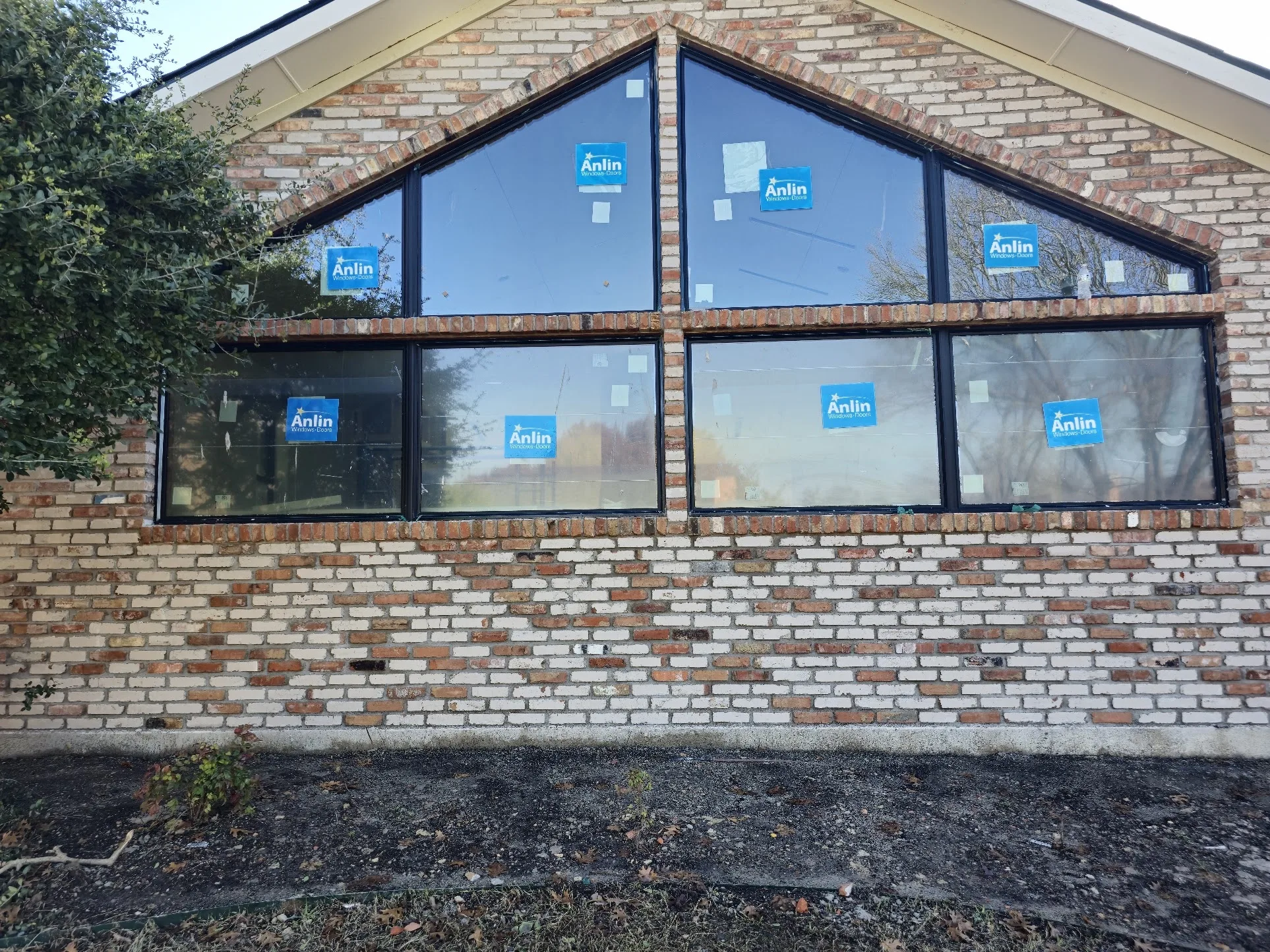
Insert replacement, also called pocket replacement, removes the old sashes and the stops that hold them, then sets a new, fully built window into the old frame. The exterior trim, siding or brick, and the interior casing stay in place. It is the most common method for homes whose frames are still in good shape.
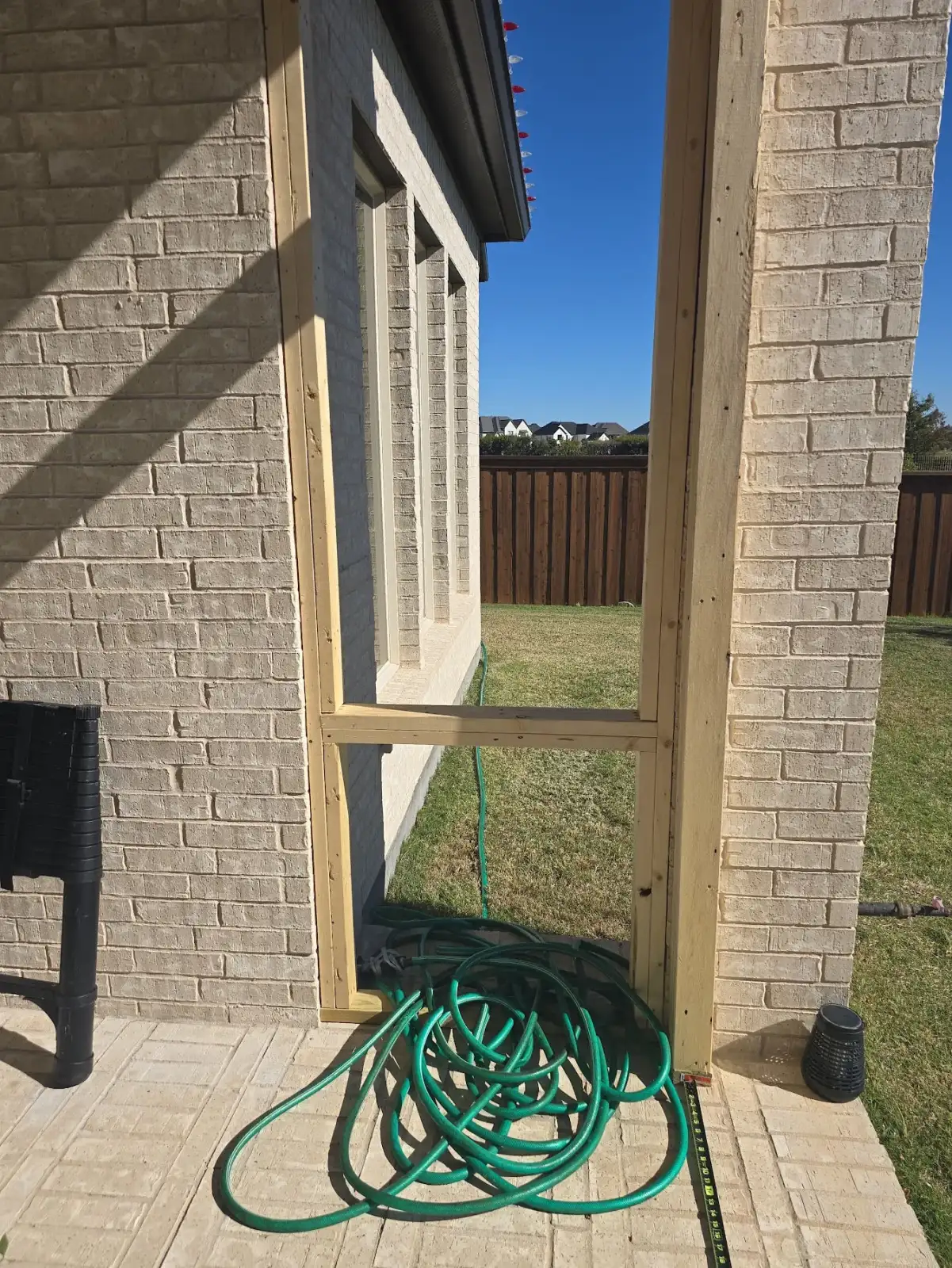
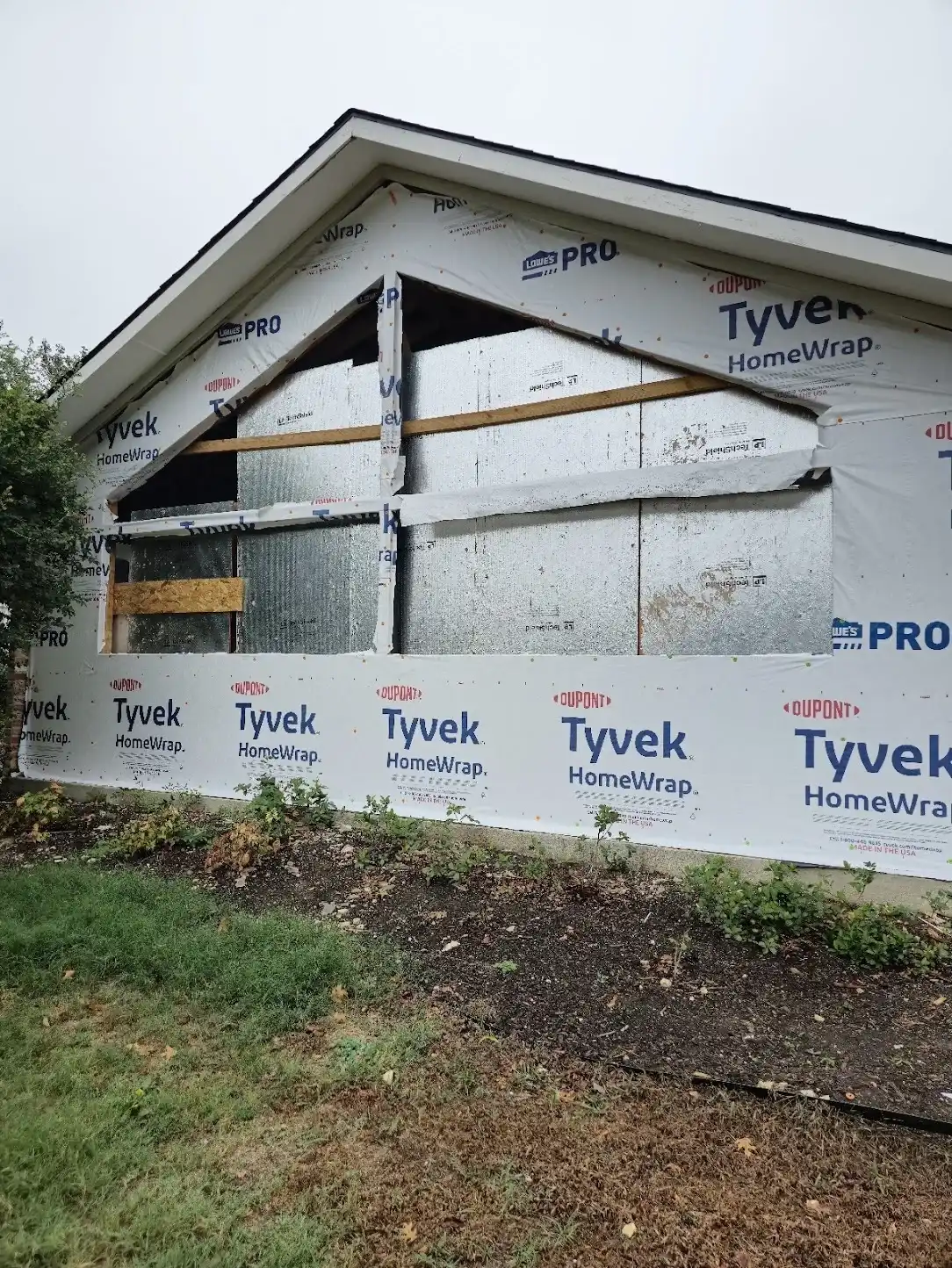
Full-frame replacement takes the whole window out, frame included, down to the studs. That exposes the opening so it can be inspected, repaired and flashed before the new window goes in. Interior casing and some exterior trim are replaced as part of the job.
| Insert (pocket) | Full-frame | |
|---|---|---|
| What comes out | Old sashes and stops | The entire window, down to the rough opening |
| Existing frame | Stays and holds the new window | Removed and replaced |
| Trim and finishes | Usually untouched | Interior casing and some exterior trim replaced |
| Hidden damage | Not visible unless the frame shows signs | Fully exposed and repaired before installation |
| Glass area | Slightly smaller, since the new frame sits inside the old one | Same as the original opening |
| Best fit | Sound, square, dry frames | Rot, water damage, out-of-square openings |
When Does Insert Replacement Make Sense?
When the existing frame passes inspection: no soft or rotted wood, no water staining around the opening, and a frame that is still square so the new window can be set level and sealed tight. In that case insert replacement gets you a new window with less disruption to the trim, siding and interior finish, and the opening stays weather-tight through the job.
Is an insert window weaker than full-frame?
No. The new window is a complete unit with its own frame, glass and seals. What matters is the condition of the frame it sits in. A sound frame makes a sound insert installation.
When Is Full-Frame Replacement the Right Call?
- The frame has rotted or warped. A new window set into a failing frame inherits the problem.
- Water has gotten past the window. Staining on the wall, soft drywall below the sill, or swelling around the frame mean the opening needs to be opened up and flashed correctly.
- The opening is out of square, so an insert cannot be set level and sealed.
- You want to change the size or shape of the opening.
The five signs to check before replacing a window cover how to spot most of these yourself.
There Is a Third Option: Replace Only the Glass
If the frames and sashes are both sound and the problem is fogged or broken glass, you may not need a new window at all. Replacing the sealed glass unit inside the existing sash keeps the whole window and fixes the view. Our comparison of glass replacement and full windows explains when that is the better path.
The Bottom Line
Insert and full-frame replacement both install a new window. The difference is what happens to the old frame, and the frame's condition should make that choice, opening by opening. Every Dallas Window Butler project starts with a frame-first assessment so the quote matches what each opening actually needs. New window and door installations are backed by our Lifetime Leak-Free Guarantee and a written lifetime limited warranty, with scope and warranty terms confirmed in writing before work begins. See our window replacement service or book an assessment.
Not Sure Which Path Fits Your Home?
We'll assess the glass, frames, sashes, hardware, drainage, and surrounding structure before recommending glass-only or full-window work.
See If My Frames Can Stay